Have you taken a look around lately and noticed how casual clothing has become? A typical outfit for my teenagers is sports shorts and a t-shirt, possibly with a hooded sweatshirt. I easily fall into this very informal category wearing workout clothes, when in fact, I’m not usually exercising. The pandemic did not help this matter at all. We were given a great excuse to live at home comfortably in pjs for at least 6 days a week. Sunday was the only day we did get dressed up. We are Greek Orthodox and our Church community does get fairly dressed up for service. Men wear suits or jackets, women wear skirts or dresses, boys wear button-down shirts or polos with khakis while girls put on dresses. I have come to truly appreciate the level of formality that comes with attending Church as a family. This past weekend, I watched my children walk into a Church that was new to us. I couldn’t help but notice they stood a little taller, strolled confidently, and greeted everyone with a smile.
“Individuals dressed professionally exhibit significantly greater measures of self-perception, compared to those in both casual attire and their own clothing. By simply wearing professional outfits, (students) had higher self-esteem, self-efficacy.”1 Is dressing up a skill we should teach our children more regularly?
My kids actually like getting ready for Church. It is their norm. No arguing, no squirming saying the clothing is uncomfortable; it’s simply expected. I’ve now transferred this ‘looking nice’ attire for when we go out to restaurants. First of all, it is getting increasingly expensive to eat out as a family of five and I want them to acknowledge that it’s a special event when we do venture out. If putting on nicer clothes helps them feel better and even act better, then maybe Sunday’s best should be worn the other 6 days per week?!
❤︎ Want more inspiration? Like our new Facebook page!
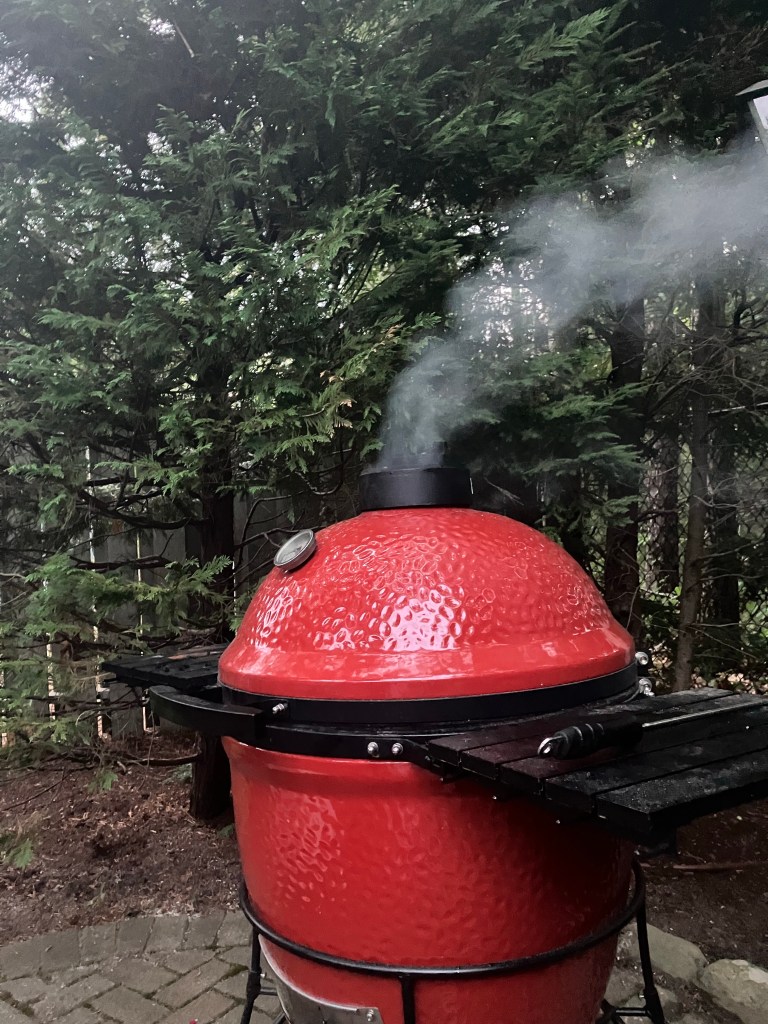
It’s 4:30am on a Saturday morning, still dark and much earlier than I typically write my entries. The smell of newly lit wood is beginning to linger in the air. Today’s menu…pork butt rubbed with a blend of paprika and brown sugar, corn pudding, and cole slaw. The chef…my 15 year old son. His new hobby is cooking on a smoker and he has truly developed a talent over the last few months. From brisket to sea bass (which he caught) to ribs to cheese-stuffed jalapenos, this kid is on fire!! And our family gets to savor his new skills.
Back in February, we headed to South to visit family. My brother has become engrossed in the world of smoking food, which I had little knowledge about. But my son took a huge interest in it (do I mention he’s eating nonstop these days!) and cooked side-by-side his uncle for one week straight. Fast forward to summer vacation and my brother was visiting us up North. Knowing that a smoke-off would ensue, my parents surprised my son with a smoker (technically theirs, yet fully knowing he would take ownership).
“Experts agree that having passionate interests in life improves your effectiveness and well-being.” 1 Hobbies are healthy!2 They build self-awareness, identity, confidence, a skill-set, curiosity, problem-solving, and eventual mastery. Fostering interests build connections between parents and children as well. We give support and enthusiasm while following their lead. Encouraging kids to try new things can ignite passions and careers later in life.
What do your kids like to do in their spare time? Do you notice a natural tendency in some area? Consider activities/interests available in your area. I do hope my son continues to develop his culinary interests for a very, very long time because I don’t mind washing dishes!
❤︎ Want more inspiration? Like our new Facebook page!
Walking along the beach is my haven in the summer months. I used to feel it was selfish to steal a quiet stroll alone. But now I have come to understand that this solitude is a gift not just to myself, but for the ones I love.
Anne Morrow Lindbergh’s, Gift from the Sea, honestly discusses the huge demands placed on modern American women. While she hopes that we will learn to embrace simplicity, she also reminds us of the importance of being alone. Many of us have to re-learn what it means to even be alone as years have been given to juggling school, child rearing, careers, community service, and cultivating a home. “It is a difficult lesson to learn today-to leave one’s friends and family and deliberately practice the art of solitude for an hour or a day or a week…And yet, once it is done, I find there is a quality to being alone that is incredibly precious. Life rushes back into the void, richer, more vivid, fuller than before” (36).
Why do women especially find it hard to make time to be alone? Solitude can differ immensely from person to person both in quantity and in essence. I have created a new morning routine for myself over the past year. I’ve always been an early riser but now before I get up to accomplish my list of tasks, I deep breath for a few moments, then read my devotional. The positive affirmations shape my day, focus my mindset. In a way, I feel rejuvenated and excited to greet what is yet to come. But something so small took many, many, many years to start…why? It is the acknowledgment of the essentiality of making solitude a priority that needs to shift for mothers. No guilt. No excuses. Simply because it makes us better versions of ourselves. “Only when one is connected to one’s own core is one connected to others” (38). Now maybe that means making time for a daily workout, painting, going to yoga, gardening in your yard, walking in the woods, sipping tea before anyone else wakes up, journaling before turning off the lights for bed…find what soothes your soul. My 15-minute daily wakeup devotional is what I need, but maybe it’s one hour a day for you or one hour per week or even one weekend a year.
My husband and I have found it essential in our marriage to find time without the children. Even when he was a resident, money was scarce and we were away from family, he found a kind-hearted woman working in one of his clinics who would watch our babies one night a week for $5/hour. I recently reached out to her, 15 years later, and expressed my gratitude again as I reflected on what has helped my marriage remain strong…finding time to be alone even when life doesn’t seem to want to make that possible. Now that our kids are older, date night has come back regularly since we don’t need babysitters (what a treat in itself!). We also faithfully take a trip once a year, alone. Some years it will be a fancy vacation, while other times it’s just a weekend in the mountains or simply the kids staying over at Nana and Pa’s. With our 20-year anniversary next week, I know that our commitment to us as a couple has inevitably contributed to our happiness.
Mothers, you do not have to be walking alone among the sand dunes to find solitude; it is within reach every single day. Make a little time for only yourself, and in doing so, you are giving more to those you love.
People find solace, rejuvenation, and calm from different places in nature. While I like to hike on wooded trails, jump into a cool mountainside lake, and explore botanical gardens, the sea is my sanctuary. Walking along any beach brings instant peace. My thoughts clear, my breath slows, and I feel lighter. The crashing of waves soothes my mind, the soft sand warms my body, and the salt air refreshes my soul.
I happened upon my mother’s copy of Gift from the Sea by Anne Morrow Lindbergh. Do you ever feel you come across books that you need in a specific moment of time even if you don’t realize it at first? Well, Gift of the Sea was my muse for the next few blog entries as I process how I felt, what I thought, and how this book resonated with me as a woman, mother, and wife in the middle-age season of life.
Simplicity…A way of life, of being, of living. A simple word yet living simply is one of the most difficult things for mothers to do. Our current society, obligations, careers, and caregiving do not help us reach a life of simplicity but instead of multiplicity. How are we supposed to reach a balance between caring for ourselves and fulfilling everything else? Can we live in grace, with inner harmony? “There is no easy answer, no complete answer…perhaps a first step is in simplification of life, in cutting out some of the distractions. But how?” (23).
Simplifying has different meanings for different mothers based upon where they are in life, how many young children are at home, homeschooling vs in-school, household responsibilities, being employed outside of the home, spousal support, and community commitments, to name a few. At Essentialist Family, we have discussed the importance of taking inventory of where you spend your time. When you write down EVERYTHING you do, you can begin to acknowledge that it’s A LOT, and that some things need to be crossed off your list. Mentally and physically eliminating the most obvious unessential items, is a start. It will give you the confidence to tackle harder decisions. Practice makes this process easier and the more you rewrite your list, the more you’ll be able to let go.
Simplify your worldly life. We all have found ourselves caught up in buying the newest gadget, the tool that promises to save us time, the newer car, the extra pair of shoes because they were on sale, the new lunchbox organizers to replace the reusable snack pouches. But it’s still more stuff! Not less, but more! How can we physically decrease the things in our space if we continue to shop? Does scrolling on Pinterest entice us to buy things we truly don’t need? Are we trying to live up to someone else’s image on FaceBook and purchasing items like our Friends? Give yourself a month or two or three to really think about what you are buying. Remember, the key here is less, so if you don’t truly need it, then wait. Next, go through your home, one room at a time and donate or discard clothes, toys, kicknacks, and books you don’t need. (Read our post: Spark Joy Simply in Your Home for guidance (https://wordpress.com/post/theessentialistfamily.com/326).
Simplify your shelter. I’m not saying downsize your home even though we’ve watched Tiny House to prove it can be done. Instead, it’s all about evaluating the rooms of your current home and getting rid/donating extra furniture, wall hangings, throw rugs, closets full of spare sheets and blankets that don’t get used except when company visits. Taking photos off the bookcase shelves and replacing them with a few cherished memories. You’ll begin to feel the peace in your home when it’s clear. Harmony fills the gaps where unnecessary stuff was. Joy begins where clutter ends. Make a daily effort to keep stuff away.
“Simplification of outward life is not enough. It is merely the outside…the complete answer is not to be found on the outside, in an outward mode of living. This is only a technique, a road to grace. The final answer, I know, is always inside. But the outside can give a clue, can help one to find the inside answer” (29).
Stay tuned for the next post…
*Please note: Gift from the Sea❤︎ is best read with toes in the sand!
Some of my favorite beaches: Old Silver, Falmouth, Cape Cod; Poipu, Kauai; Long Boat Key, FL; Goose Rocks, Kennebunkport, Maine.
Did you know that there is a National Institute for Play? I’m serious because this is important stuff! Children are spending less time than ever playing but it’s essential to their overall physical, emotional, social and emotional health! So as parents, we need to make the time and prioritize playing!
*Put it on your daily calendar. When you see play written down, you’ll most likely follow through and remember to give the kids time to play.
*Schedule short and long playtimes. 20 minutes is enough time to play on busy days but try to incorporate longer periods as well since more creativity and imagination need sustained time.
*Make it a habit. Schedule playtime as a family at the same time several days per week. Sunday after Church? Friday night board games?
*Create a go-to family favorite list to spark ideas. Write activities on popsicle sticks and place in a jar to be randomly picked.
*Simple is best! No fancy games or toys needed.
*Try not to intervene when they are bored! Figuring out what to do with free time is a skill!
*Make time for playing in the fresh air!
When parents fully realize the importance of play, it is easier to make it happen. Play develops creativity, problem-solving, critical thinking, executive functioning, motor skills, social interactions, self-confidence, self-awareness, and fairness, to name just a few.
Next time your child wants to watch TV tell them to, “Go Play!”
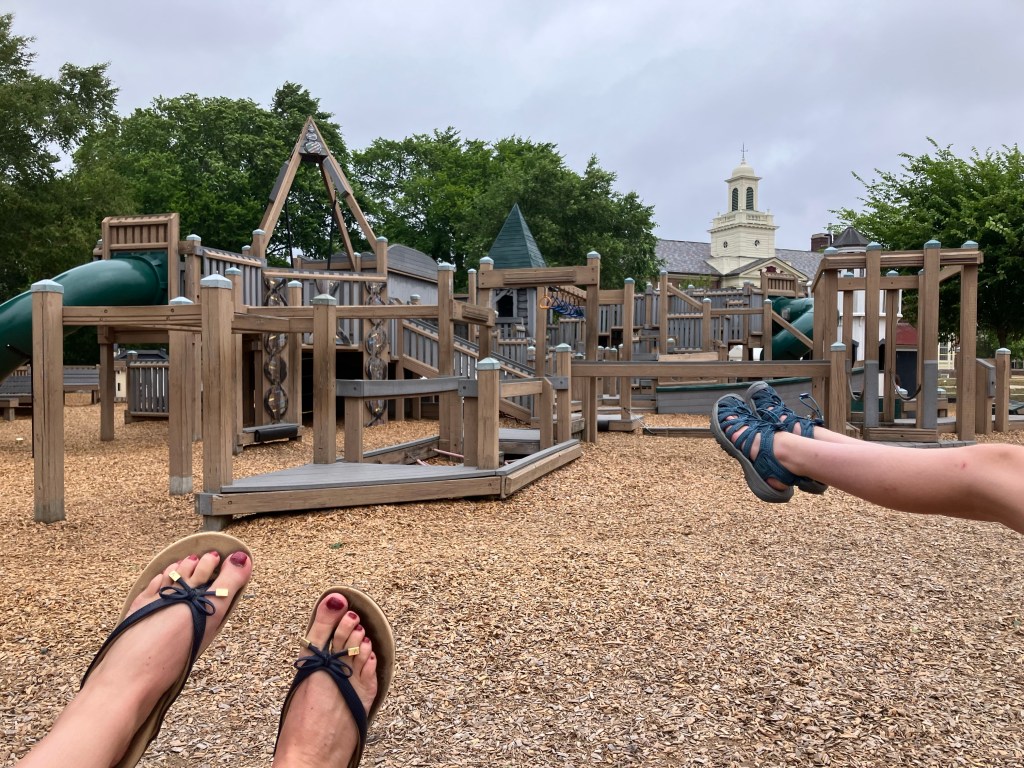
Couldn’t pass up the opportunity to swing as we passed a playground! Simple joy!
With the hustle and bustle of daily life, slowing down to notice the little things is not always on our minds. However, teaching your kids to look all around, can easily increase their happiness. Ingrid Fetell Lee, who wrote, Joyful: The Surprising Power of Ordinary Things to Create Extraordinary Happiness, reminds us how simple it can be.
*Feel the sun and spend time outside
*Notice vibrant colors and the feelings they elicit
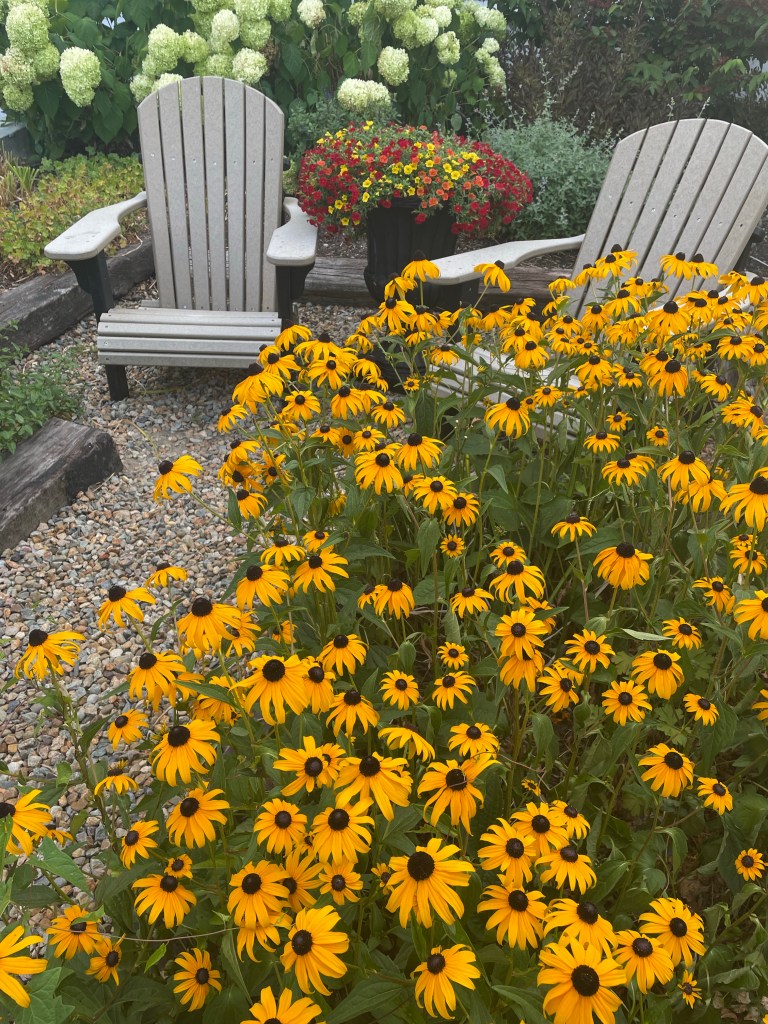
*Stop and smell the flowers, literally
*Find ways to play-game of tag or basketball, cards, throw the ball for your pup, cornhole competition
*Develop hobbies
*Choose happy colors for paint, clothes, food
*Embrace quirkiness
*Listen to the sounds of nature
*Celebrate everything big and small
Find out what brings your family joy through Ingrid’s Joyful Toolkit. This is a fabulous dinner discussion and can be revisited as your family grows and develops in each season of life:
Find your joy-Where are you happy? What is joyful about it? Who makes you happy and why? What do you have in your home that brings pure joy? What activities bring happiness to your family? What are your killjoys? What depletes all your happiness?
2. Actively make your joy-Redecorate or rearrange furniture in your home, hang photos/pictures of happy memories, keep useful objects that you adore, bring in plants and flowers, open the curtains for more sunlight. Home is where your heart and happiness are. Wear clothes that make you feel good! Plan activities that you have fun doing. Gracefully say, “No,” to outings, commitments, and afterschool activities that suck all your family’s joy.
“Joy is what makes life worth living” (297). Can you simply add more joy to your everyday life? Try!
Gardening is a hobby for many. Kids are born nature-lovers and getting their hands dirty comes easy to them…sometimes too easy and albeit at inconvenient times. However, the next time you are planting in your garden, pulling weeds, watering plants, or trimming bushes, encourage your kids to join you. You may be surprised at just how important gardening is to children’s overall development.
*Helps with impulse control since things don’t always work out a planned
*Provides quiet mental space to be with one’s own thoughts
*Protected physical space
*Cultivates imagination and creativity
*Presence of calm
*Daydreaming allowed
*Encourages the spirit of flow
*Develops a sense of purpose and an identity
*Increases self-confidence and self-worth
*Understands the cyclical nature of life
*Develops an attitude of caring and nurturing
*Strengthens social interactions
*Provides motivation
*Gives a hands-on approach to learning integrating motor, sensory, emotional and cognitive development
“Just as in bringing up children, in the garden we are never fully in control. Beyond providing the conditions for growth, there is only so much a gardener can do; the rest is down to the life force of plants, and they will grow in their own time and in their own way” (31).
So what are you waiting for?! Get planting!!
The Well-Gardened Mind: The Restorative Power of Nature, by Sue Stuart-Smith
I grew up in an apartment outside New York City. I didn’t have a backyard, green grass, window boxes, or even trees to hang a swing. I dreamt of the day I would leave the city and have a home in the suburbs. The dream did come true and every day I’m thankful. Some people can’t live without the hustle and bustle of city living, but me…I savor waking up to chirping birds, sip coffee watching hummingbirds float among vibrant flowers, and read a book under the shade of a giant maple listening to the rustling of its leaves. Over the years, I have proudly become a gardener. I relish learning about native species, fancy going to my local nursery to add new flowers to our beds, and treasure the quiet moments I spend tending and cultivating my garden.
Last summer during the pandemic, my mother gifted me, The Well-Gardened Mind: The Restorative Power of Nature. I think she was trying to lift my spirits as I had been suffering from sciatica from a hernitated disc. Summer didn’t turn out as expected and I spent most of my days painfully immobile. However, this book simply rejuvenated me. I made my way out into the shaded streets for short strolls-I couldn’t even call them walks, really, but shuffling of my feet. Yet, forcing myself outdoors a few times a day for meager intervals began to lift my spirits, providing a sense of calm and peace with my physical situation. Mentally, I got stronger and thus began challenging my body and it responded. Strolls turned into walks which turned into longer ones. While my pace was somewhat embarrasing, I felt like I was making progress and healing.
Months later, I was infact healed. However, the three months of daily pain made me reflect on how I got to this stage in the first place. “Our emotional lives are complex and need constant tending and reworking. The form this takes will be different for each one of us, but fundamentally, in order to counteract nagative and seld-destructive forces, we need to cultivate a caring and creative attitude. Above all, we need to recognize what nourishes us” (35). I had not been tending to myself. Typically, I was last on my list, putting everyone and everything else before my own needs…until my body gave in. Then I had no choice but to stop and listen and think and make changes.
Nature is beautiful; she is forgiving. Slowly, I began to forgive myself for neglecting my physical and emotional wellbeing. I started anew. I didn’t apologize for scheduling a personal trainer, I didn’t make excuses for getting on my Peloton, I didn’t cringe when I bought organic fruits and vegatables, and I enthusatically made time in my day to simply rest. And every day, I put on my sneakers and walk under the shaded trees, down by the pond in my neighborhood, giving thanks for Nature’s splendor that gives me peace and good health.
When a friend first inquired what my enneagram was, I had no idea what she was talking about. But then I listened to a podcast that highlighted The Road Back to You, by Ian Morgan Cron and Suzanne Stabile, and I was intrigued. “The purpose of the Enneagram is to develop self-knowledge and learn how to recognize and dis-identify with the parts of our personalities that limit us so we can be reunited with our truest and best selves” (24). There are nine personality types: Perfectionist, Helper, Performer, Romantic, Investigator, Loyalist, Enthusiast, Challenger, Peacemaker. Each chapter begins with simple questions that make you self-reflect, essentially revealing your tendencies and personality type. Just make sure you are completely honest! One of the best tips they gave was to narrow a few types down that you feel represent your personality and then ask your closest family or friends which one they think embodies you best. While I thought I was the Helper, it was unanimous that I was the Perfectionist by my children! While a tad unsure at first, I delved into the characteristics of Type 1 and sure enough, it is me. I soon discovered why I tend to make certain decisions, what stresses me out, what I need to thrive, and how I can be the very best version of me. I did learn type 1s tend to have rapid speech, which is definitely me, but this can lead from a teaching perspective to preaching. I never considered this aspect before yet quickly realized I need to be conscious of how I blog and share information, thoughts and inspiration. This layer of understanding has allowed me not to shy away from my tendencies, but embrace them and use them in a positive way.
Soon enough, my children discovered their enneagrams: a Peacemaker, a Helper, and a Performer. Together, we began to understand one another better. Developing compassion strengthens families and all relationships. Communication becomes more effective while respecting and honoring differences. Being a 1w2 makes me the unique person I am. I think my children see that more clearly now just as they recevied a glimpse into their own persnolities. What’s your enneagram?
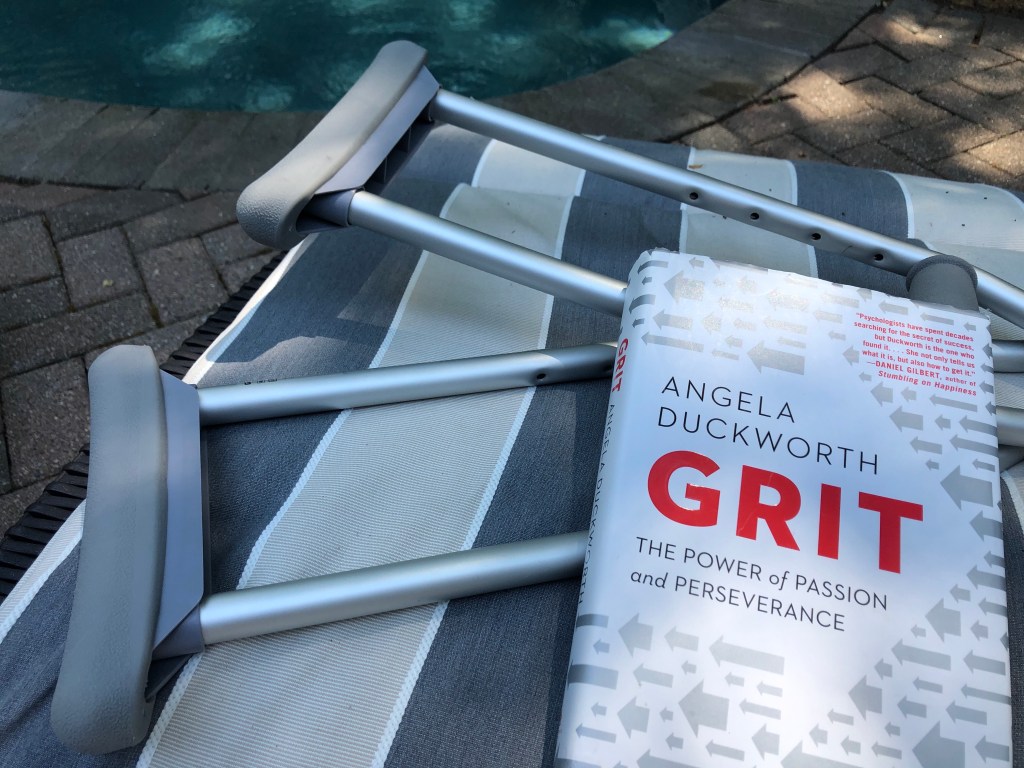
Would you describe yourself as a gritty person? Courageous, determined, disciplined, passionate, full of perseverance? Most of us would probably want to be grittier and most parents want to raise children who embody these qualities. After reading Grit, the Power of Passion and Perseverance by Angela Duckworth, it is possible to develop grit in our kids, while strengthening our own.
The Latin meaning of parenting means to bring forth or to guide. One of our priorities as parents is to guide our children in values, qualities and experiences that will bring forth the type of human we hope they will become while respecting their unique strengths. Wise parenting encompasses a supportive and demanding style that allows children to fare much better in life (less anxiety, more independence, higher grades in school). *On page 214 of Grit, there is a parent test that you can take to assess if you are a wise parent. The qualities of grit you want to instill will be achieved easier in this warm, respectful environemnt.
But if we want our kids to be gritty, we need to take some time to self-reflect. How gritty are we, really? What do we model in daily decisions, career moves, and in typical social interactions? These small moments are in fact big! Watching how we persevere day in and day out speaks volumes. The language we use within our home and with one another will be used by our children. “I know you can do this because I have high expectations for you and I know what you are capable of,” will set the bar for excellence and challenge. Motivating and encouraging words will provide the necessary support for them to eventually be intrinsically motivated when hard times emerge. Grit can be grown for them inside out.
A big takeaway for me in this book was the power of surrounding your children with gritty people other than their parents. Look for supportive yet demanding coaches, connect with that teacher who challenges your child with the utmost care, and seek out friends who emulate grittiness whether in their jobs, life circumstances or in their positive outlook. These individuals will help grow grit from the outside in.
“To be gritty is to keep putting one foot in front of the other. To be gritty is to hold fast to an interesting and purposeful goal. To be gritty is to invest, day after week after year, in challenging practice. To be gritty is to fall down seven times, and rise eight” (275).
For our family, this book came at the most perfect time. My youngest started summer vacation with the excitement of dance camp, marine biology field study, and a biking adventure. Day 4 of summer resulted in an injury that left her on crutches and having to cancel all of her camps, yet she was not devastated. Life will bring surprises, many that you will not like. But you get up and keep going, taking an alternative route, which may in fact be even better! Her grit is developing and this summer will surely be a life lesson in how strong she is physically, mentally and emotionally…that’s my gritty girl!
We just came back from a family vacation in the beautiful state of Arizona. The pure majesty of the land was awe-inspiring. It has been on my wish-list of places to visit and I feel fortunate to have been able to see the Grand Canyon and Antelope Canyon with my children. But one of the experiences that really made me pause was the friendliness and welcoming nature of every person at our resort in Sedona. And I mean EVERY person we crossed paths with or interacted during for our stay. Now I’ve traveled a fair amount but what we witnessed here was above anything. Sincere smiles, warm greetings, shouts of, “Hello” from passing golf carts, and enthusiastic waves from housekeeping and maintenance were at your every turn. You felt it was the culture here to be more than friendly…to elicit smiles and joy. And guess what, it works! We couldn’t resist smiling and fully enjoying where we were. A feeling of contentment pervades when you are surrounded by happiness.
I consider myself a happy, optimistic person. Yet I couldn’t help but reflect and wonder how I can greet my own family members each day with more joy. A gracious, “Good morning” and a hug even if my teens would rather not. A wave out the window as my daughter drives off to school. Grabbing bags off my husband’s arms when he arrives home at night. While these acts seem simple, happiness is contagious so these small, friendly greetings will foster a home environment that exudes more joy and peace. Sounds enchanting to me.











 the Essentialist Family